
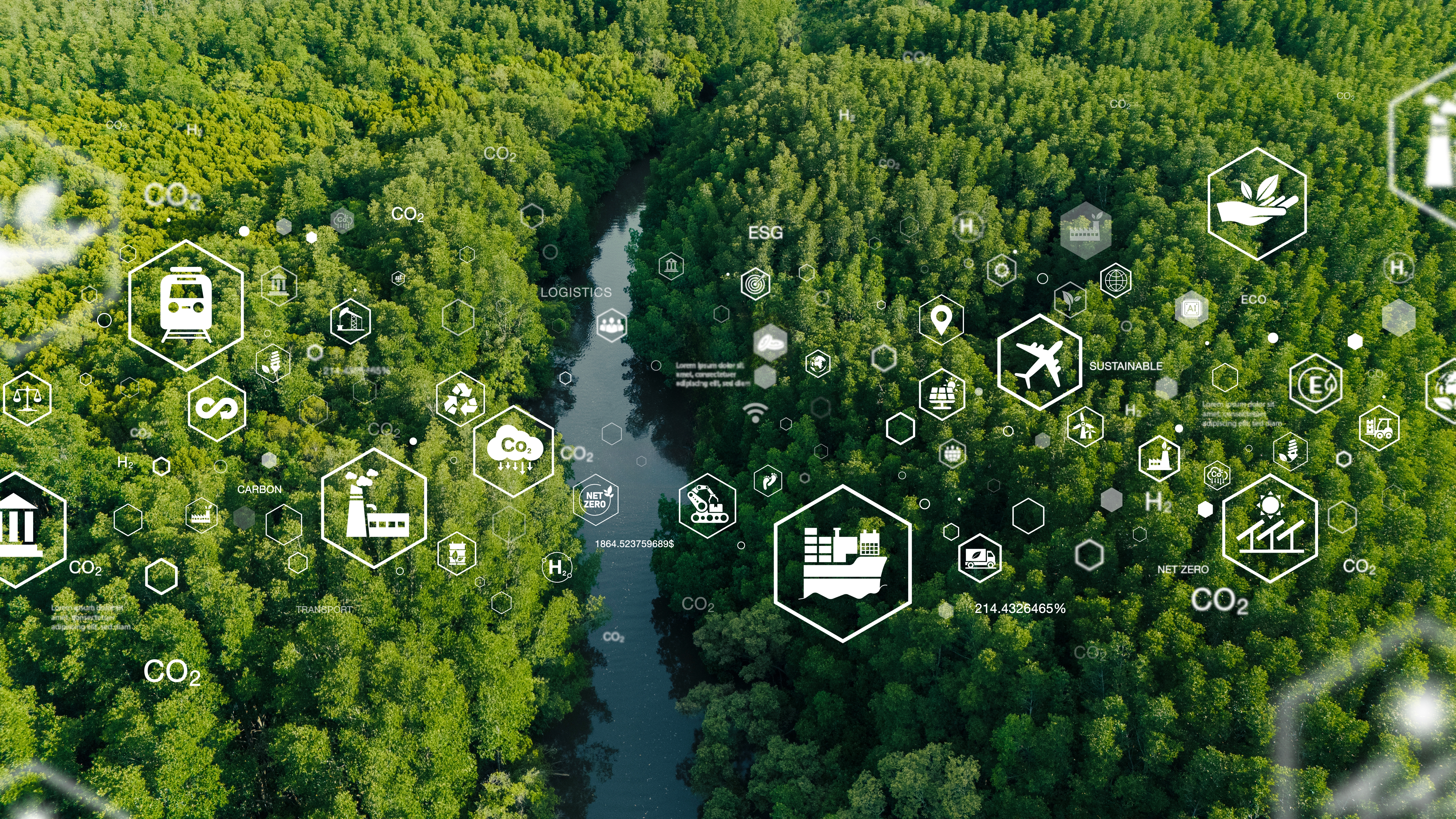
Every day, new sustainability trends are being implemented and evolving to improve logistics and transportation, comply with regulatory requirements, reduce costs, and meet market demands for supply chain management—a market that in Mexico reached 833,500 million dollars in 2025—. Until 2034, this market will probably grow by 5.23% annually.
Below are some of the most important trends contributing to more sustainable logistics and transportation processes:
- Fleet electrification: Some companies are replacing diesel vehicles with electric trucks and delivery vehicles to reduce CO₂ emissions and urban pollution. Although sales of hybrid and electric vehicles in Mexico grew by nearly 30% annually between 2017 and 2021, there is still a long way to go. The incentives and support offered by the government to improve charging infrastructure are an excellent way to promote this change. Experts say that, in our country, operating an electric vehicle costs up to 70% less than a gasoline-powered one.
- Optimization: Improving processes through technologies such as Big Data and predictive analytics allows transportation and logistics companies to obtain useful information about their operations or the performance of their supply chains. Inditex, a Spanish textile company, has integrated artificial intelligence into its processes, yielding positive results in productivity and operational efficiency. In 2025, the company implemented optimization measures that enabled it to use more sustainable fuels for maritime shipping on more than 98% of its routes.
- Emissions measurement and reduction: Globally, many organizations are already implementing tools to calculate greenhouse gas emissions, set decarbonization targets, and comply with regulatory requirements. To promote climate transparency, in February 2026, New York passed the Corporate Climate Data Accountability Act, which requires companies with revenues exceeding $1 billion to disclose reports on their greenhouse gas emissions.
- Reverse logistics: It has become a strategic component of sustainability, and more companies are redesigning their processes to recover used products, repair equipment, recycle materials, and manage returns efficiently. The reverse logistics market is segmented into several categories, including: the return of goods (46%), the reuse of packaging or materials (22%), and the repair of industrial or electronic equipment (32%). This segment supports long-term sustainability and value recovery goals.
Sustainability in logistics is advancing, but it requires greater collaboration among governments, companies, and citizens. Experts such as ED Forwarding, a member of PSA, are committed to the environment and society to achieve more efficient supply chains and a more profound transformation of the sector.
