
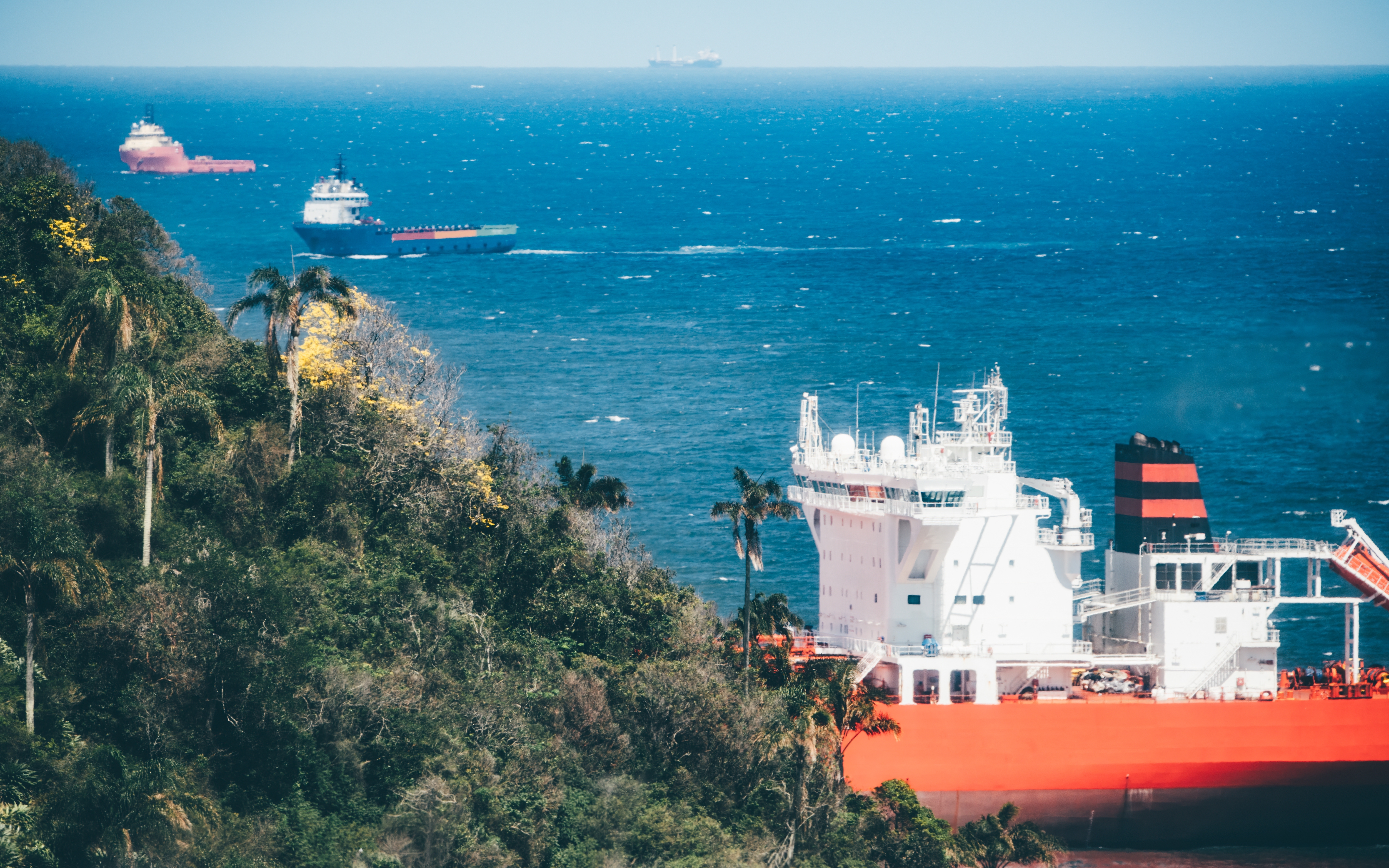
Brazil is estimated to be the ninth largest economy in the world and Mexico the thirteenth; both countries are located between the Pacific and Atlantic oceans, which favors maritime trade and tourism.
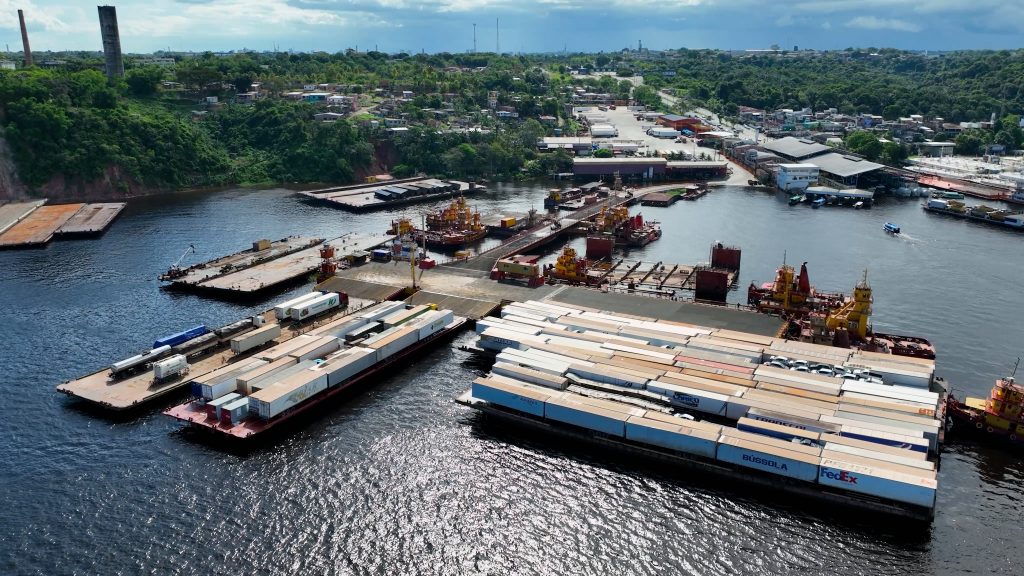
Brazil is the largest country in Latin America, while Mexico is the third largest in the region, and both have a wide variety of climates, ecosystems, and natural resources.
During the 1980s and 1990s, both nations began processes of economic liberalization. Some relevant dates and events are:
1990: An Economic Complementation Agreement (ACE, acronym in Spanish) was signed within the Latin American Integration Association that sought to reduce tariffs on certain products, promote the exchange of industrial goods, and strengthen economic and technological cooperation.
2002: The ACE sought to regulate Mexico-Brazil trade relations; it currently covers around 800 products and has undergone seven rounds of negotiations.
2015: Then-Brazilian President Dilma Rousseff and Mexican President Enrique Peña Nieto signed agreements on tourism, trade, and the environment, improving trade relations.
2023: Brazil was Mexico’s seventh largest trading partner in the world and the largest in Latin America, with a trade volume exceeding $18,000 million (a historic record 8% higher than in 2022). Mexico, for its part, consolidated its position as Brazil’s fifth largest trading partner globally. That same year, Mexico became the second-largest destination for Brazilian agricultural exports in Latin America.
Current trade relations
In 2024, Mexico’s main export to Brazil was motor vehicle parts and accessories, worth $809 million, while its largest import was intermediate products of iron or non-alloy steel, worth $2,111 million.
That same year, President Lula Da Silva highlighted the importance of Mexico taking advantage of the opportunities offered by Brazil, with its market of 220 million inhabitants.
In August 2025, the governments of the two countries signed various cooperation agreements in the areas of agriculture, economics, energy, health, and scientific research.
Together, Brazil and Mexico account for 70% of Latin America’s total exports, meaning that seven out of every 10 foreign sales originate in these countries.
Logistics routes between the two countries are not well developed, and maritime transport between Mexican and Brazilian ports is expensive and slow compared to shipments to the US or Europe. However, an agreement was recently signed for Mexico to export its avocados to Brazil, which will undoubtedly strengthen bilateral relations.
Looking ahead
Given the imposition of new tariffs by the US government (50% on Brazilian products and 30% on Mexican products), it would be in the interests of both nations to strengthen trade links and be good allies.
On October 31, 2025, the leaders of the two countries expressed their mutual interest in strengthening their trade ties. For her part, Claudia Sheinbaum expressed interest in obtaining Brazilian cooperation in strategic areas, such as ethanol production to meet Mexico’s growing domestic demand.
By 2026, the ACE will be reviewed and updated, which could generate new growth opportunities in Latin America.
ED Forwarding, a member of the PSA Group, has expert and qualified personnel to take advantage of Mexico’s commercial relationship in Latin America and thereby design strategies tailored to the needs of its customers.
